
TUNA FILLETS IN NATURAL MINERAL WATER FROM ALZOLA
Bonito del Norte tuna loins, which are lighter in color, are appreciated for their delicate flavor and soft texture.
ORIGIN
FISHING
CAPTURED IN
PRODUCED FROM & PACKED
Our tuna fillets are prepared with fresh fish and hand-packed in organic extra virgin olive oil or in natural mineral water from Alzola by skilled local artisans. Our canned Bonito del Norte is left to “mature” for at least six months before they are sold, further improving its flavour and texture.
Bonito del Norte tuna - Albacore tuna - White tuna ( Thunus alalunga ), natural mineral water and salt.
Allergens: Fish.
NUTRITIONAL INFORMATION (per 100 g of drained product)
- Energy: 498 kJ / 117 kcal
- Lipids: 0.5 g * of which saturated: < 0.1 g
- Carbohydrates: 0 g * of which sugars: 0 g
- Proteins: 28 g
- Salt: 0.5 g
To be enjoyed on the day of opening. Refrigerate in a closed container for 2 days if not consumed completely.
Store in a cool, dry place.

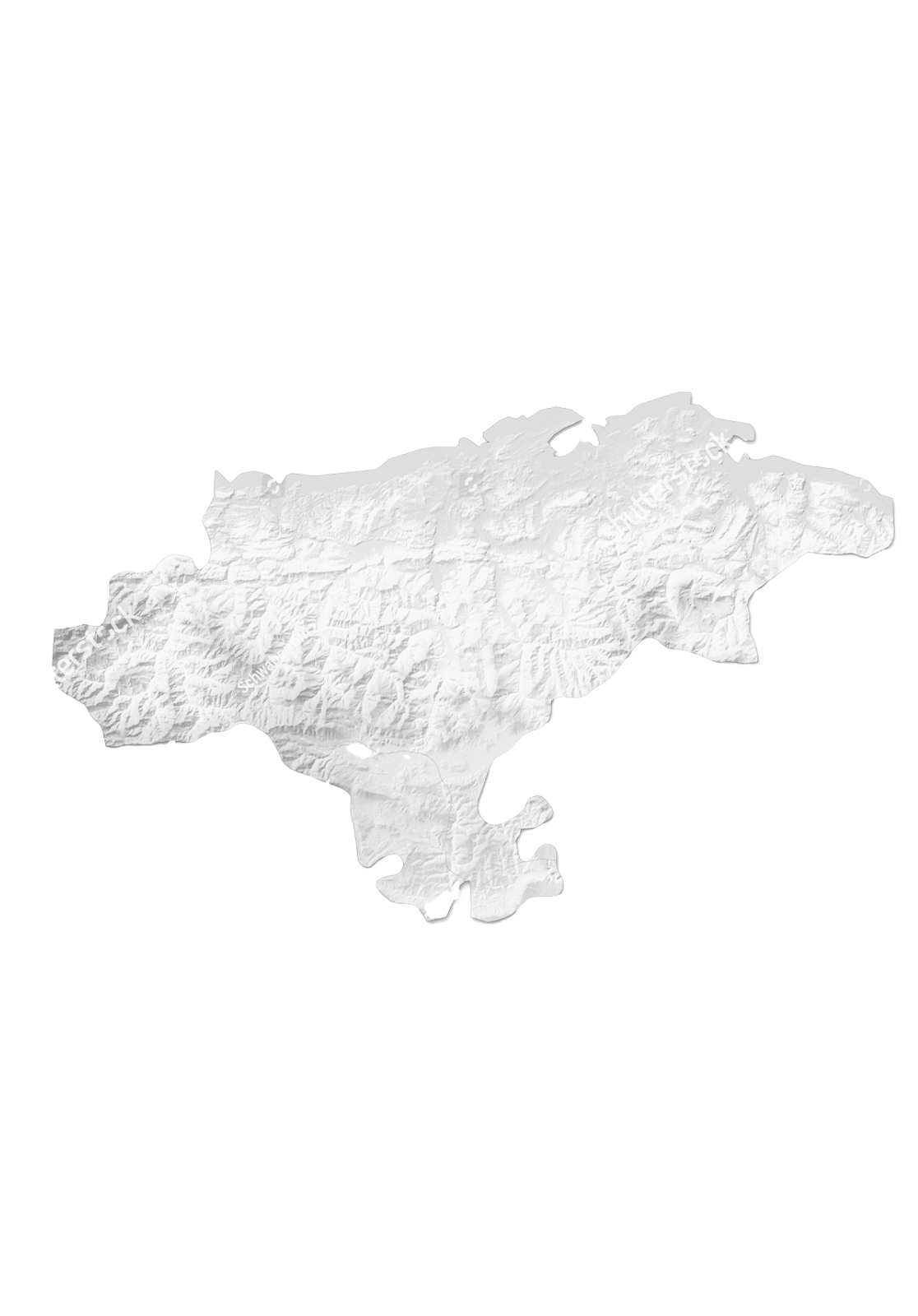
CANTABRIAN
SEA


Bonito del Norte is a type of tuna caught in northern Spain and prepared by local artisans in a centuries-old tradition.
Generations of fishermen from the north of Spain have sailed around the Bay of Biscay in small boats, fishing for the prized Bonito.
Between July and September, the 'costera' takes place in the waters of the Bay of Biscay, in the Cantabrian Sea. This is the time of year when the species Thunnus alalunga (known locally as Bonito del Norte) is caught in the north of Spain and is the raw material for one of Spain's most popular canned products.
The most traditional method for catching this fish is using a hook and live bait. It is a highly selective fishing technique that allows the best quality tuna to be chosen at the time of capture. At the same time, it is a sustainable fishing practice, certified by the MSC (Marine Stewardship Council), which respects the environment and protects marine reserves, as no other species are accidentally captured.
In recent years, Bonito del Norte from the Cantabrian Sea has been recognized for its sustainable fishing methods and the unmatched quality of its tender meat, delicate flavour, and firm texture. This tradition not only values the fish and fishing methods but also reinforces the importance of sustainability and marine environment preservation for future generations.